
Let's meet us
FE Pálava
How did it start?
In February 1975 they decided to hold a Horní Věstonice Shrovetide fair complete with a procession through the village. The performers threw themselves into the preparations with full commitment. The Shrovetide fair delighted the public, but above all those who had prepared it. At first they met irregularly. They held harvest festivals and, in the newly settled region, revived the traditions of the village feast (hody) and the wine harvest.
Zlatislava Krůzová
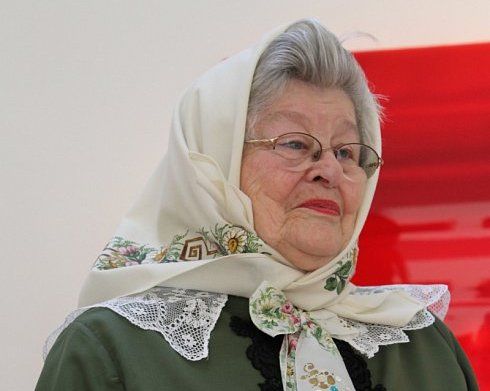
Founder of the ensembles and doyenne of folklore in the Mikulov region
What happened next?
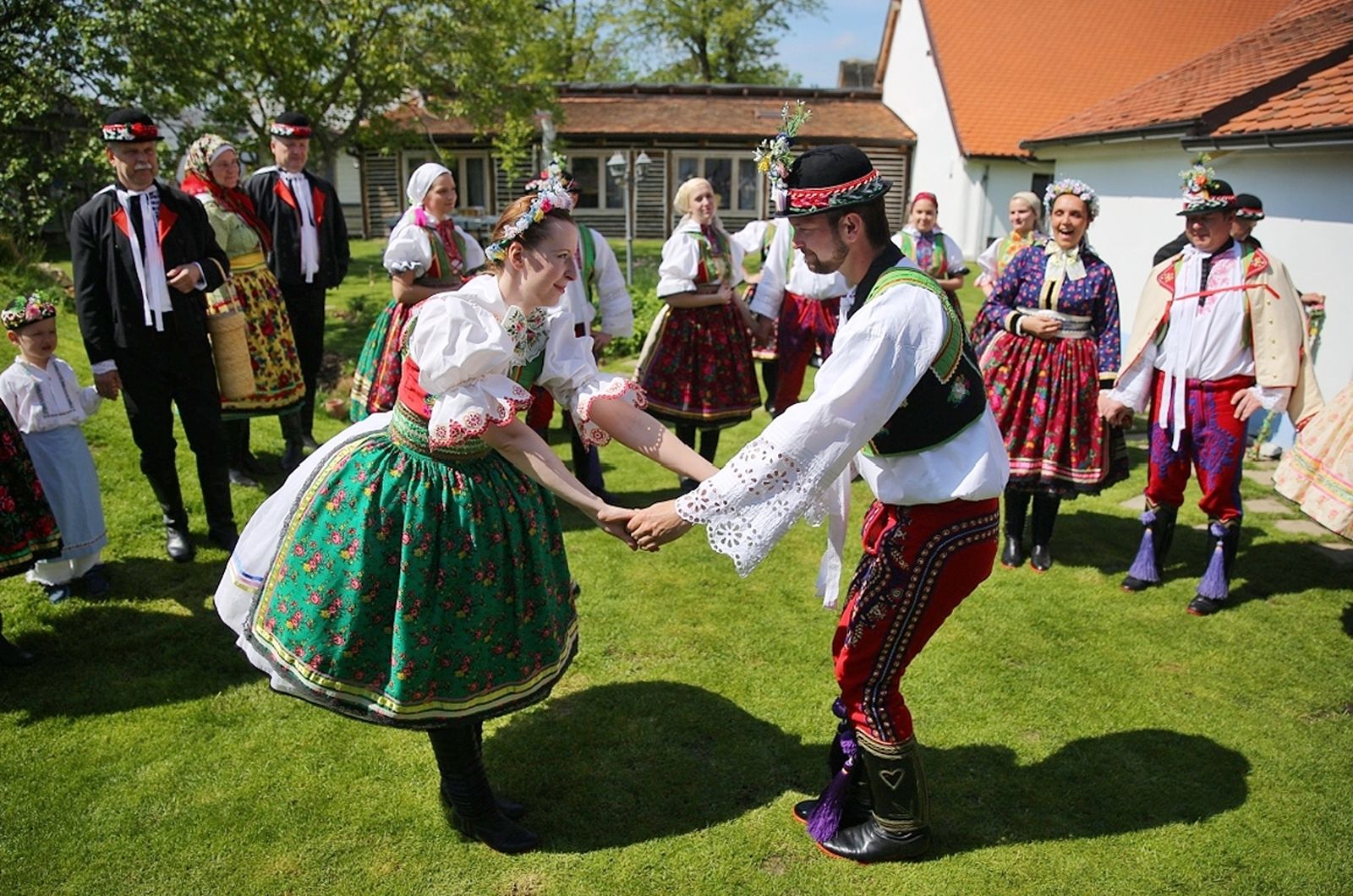
People brought the form of these celebrations here from their original home regions. An ethnographic group was formed, which sparked curiosity not only among other residents of the village but also among visitors from further afield. It had a dance group, a women's and a men's choir, accompanied by the brass band of Mr. Lukášek from Bulhary and occasionally by CM Slovácko from Mikulčice with lead violinist Přemek Líčeník. In 1979 the dance group was joined by its own first cimbalom band, led by Mr. Jan Vondráček from Podivín. At that moment came the time to consider how to make the best use of this unprecedented activity and initiative. Out of the club, and later the ethnographic group, arose an artistic ensemble that has been known to the public since 1979 as Folklore Ensemble Pálava.
In the early days of its work the ensemble systematically processed the material of the ethnographic regions represented in the area under Pálava by groups of people who had settled there after World War II. It presented on stage the folk culture of Podluží, Kyjovské Dolňácko and Kopanice. Later the region of Hanácké Slovácko was added. To enrich its repertoire, the ensemble added a dance suite from eastern Slovakia to its programme at the start of the 1990s. Since 1993 the ensemble has focused mainly on presenting the culture of the Moravian Croats. At that time further cooperation began with Professor Zdenka Jelínková. The ensemble began putting the results of her research work into practice, started staging her programmes, and, based on collecting activity and historical sources, began working on reconstructing the costumes of the Moravian Croats. This demanding, meticulous work was crowned at the 50th International Folklore Festival in Strážnice, where Pálava was declared a laureate of the festival for the reconstruction of the costumes. Further recognition came in 2013, when the ensemble became a laureate of the festival once again, for its stage presentation of the traditional Moravian Croat feast known as "Kiritof".
Since the 1980s the ensemble has been accompanied by a cimbalom band of the same name – Pálava, in which many musicians, mostly coming from the Mikulov art school, have grown up. Since 2007 the dancers have been accompanied by CM Píšťalenka led by Helena Slavíková.
Several leaders have succeeded founder Zlatka Krůzová at the helm of the ensemble, and the current leader is Petr Ševčík.
The ensemble's base now consists of around twenty dancers from Mikulov and the surrounding area, both near and further afield, across a wide age range.